
The Allure of Gambling
The psychological allure of gambling is deeply rooted in human nature and is often fueled by the thrill of risk and reward. Casinos are designed to attract players with bright lights, engaging sounds, and a vibrant atmosphere that heightens excitement. This environment creates a sensory overload that can contribute to a heightened state of anticipation, making patrons more susceptible to the thrills and potential rewards of gambling, especially when they seek the best online casino in new zealand for an exhilarating experience. For many, this distinctive ambiance is intoxicating, offering an escape from the mundane and an opportunity to experience the possibilities of fortune.
Addiction can stem from the euphoric feeling associated with winning. This phenomenon is linked to the brain’s reward system, where activities that bring pleasure trigger the release of dopamine. This neurotransmitter reinforces behaviors by creating feelings of happiness and satisfaction. When individuals win, they often chase that high, leading them to gamble repeatedly in hopes of recreating the positive feelings associated with a win. Consequently, the environment within a casino supports this psychological cycle, as the allure of potential winnings drives players to continue engaging in gambling activities.
Furthermore, the social aspect of gambling plays a significant role in its appeal. Many people view casinos as venues for socialization and entertainment, where they can engage with others and share exhilarating experiences. The communal aspect of games like poker or blackjack fosters interactions between players, encouraging collaboration and friendly rivalry. This social component can enhance the gambling experience, as individuals bond over their shared hopes and aspirations while navigating the unpredictable realm of chance.
The Role of Cognitive Biases
Cognitive biases significantly influence gamblers’ decision-making processes, often leading them to behave irrationally. One prevalent cognitive bias is the illusion of control, which manifests when individuals believe they can influence the outcome of random events, like throwing dice or spinning a roulette wheel. This misconception can result in players engaging in superstitious behaviors, such as wearing lucky clothing or performing specific rituals before gambling. By fostering a false sense of mastery over their circumstances, individuals may find themselves more inclined to take risks, further deepening their engagement with gambling.
Another critical cognitive bias is the availability heuristic, where people assess the likelihood of an event based on how easily they can recall similar occurrences. For example, if a gambler hears about someone hitting a jackpot on a slot machine, they may unconsciously conclude that winning is more common than it truly is. This belief can create an artificial sense of optimism, leading players to invest larger sums of money in hopes of replicating those success stories. This cognitive distortion can exacerbate gambling behavior, as individuals ignore the actual odds of winning.

Moreover, the gambler’s fallacy can also distort perceptions of probability. This bias occurs when individuals believe that past events can influence future outcomes in games of chance. For instance, a player might think that if a particular slot machine hasn’t paid out recently, it’s “due” for a win. This misjudgment can cause them to continue playing despite the odds remaining unchanged. Understanding these cognitive biases is essential in exploring the psychology of gambling, as they reveal how players can become ensnared in a cycle of irrational behavior and risk-taking.
The Emotional Impact of Gambling
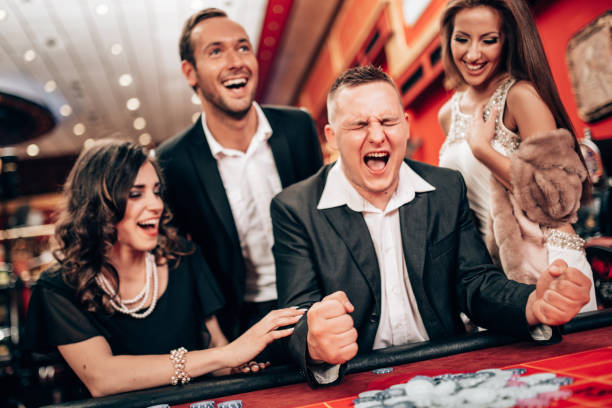
The emotional journey of gamblers in casinos encompasses a wide range of feelings, from euphoria to despair. Winning can generate a rush of joy and excitement, prompting players to celebrate their victories. This high can be so intoxicating that it leads individuals to underestimate the potential losses they might incur. The emotional rollercoaster can make gambling feel like an exhilarating experience, one that players are eager to repeat in hopes of recapturing that initial thrill.
Conversely, the emotional toll of gambling losses can be devastating. Many gamblers experience feelings of guilt, shame, or regret after substantial losses, leading to a damaging cycle of behavior where they chase losses in an attempt to recover what they have lost. The sinking feeling associated with losing can create stress and anxiety, often resulting in individuals attempting to cope through increased gambling or other unhealthy behaviors. Understanding this emotional impact is crucial in recognizing the potentially harmful consequences of gambling.
Furthermore, many gamblers may turn to casinos as a means of escaping from life’s pressures or difficulties. For these individuals, gambling becomes a form of emotional regulation, providing a temporary relief from stress or anxiety. This behavior can create a dependency on gambling as a coping mechanism, leading to more significant emotional issues over time. An understanding of these emotional dynamics underscores the importance of addressing gambling behavior holistically, considering both the psychological and emotional aspects involved.
The Influence of Casino Design
The design and layout of casinos are meticulously planned to enhance the gambling experience and encourage prolonged engagement. From the moment players enter, they are enveloped in an environment carefully crafted to stimulate their senses and maximize their desire to gamble. Bright lights, vivid colors, and enticing sounds serve to create an atmosphere of excitement and anticipation, often blurring the line between reality and illusion. The strategic placement of games and amenities also contributes to a layout that promotes exploration and encourages players to immerse themselves deeply in the gambling experience.
Moreover, the absence of clocks and windows within many casinos serves a psychological purpose. By eliminating natural time cues, casinos can manipulate a player’s perception of time, leading them to gamble for extended periods without realizing how long they have been playing. This phenomenon is often referred to as the ‘time distortion experience.’ By curbing awareness of time, casinos can increase the likelihood of players remaining engaged, which directly benefits the casino’s bottom line.
Additionally, the placement of amenities such as bars and restaurants strategically within casinos encourages players to take breaks, refuel, and return to gambling. This design strategy creates a seamless flow, where individuals are continually drawn back to the gaming floor. Such considerations highlight the significant role that casino design plays in the psychology of gambling, showcasing how environments can be engineered to influence behavior and decision-making.
Understanding Problem Gambling and Resources
Problem gambling is a serious concern that affects many individuals and their families, leading to negative consequences in various areas of life. Understanding the psychological mechanisms that underlie problematic gambling behaviors is essential for those looking to address this issue effectively. Factors such as emotional distress, cognitive biases, and environmental influences can all contribute to a person’s tendency to gamble excessively. Recognizing these elements can help individuals identify their behaviors and seek appropriate help.
Several organizations and resources are available for individuals struggling with problem gambling, offering support and guidance. These entities focus on providing education about responsible gambling practices while promoting awareness of the risks associated with excessive gambling. Additionally, many casinos have initiated programs to help individuals recognize when gambling becomes problematic, providing self-exclusion options and access to counseling services. These initiatives represent a growing acknowledgment of the importance of responsible gambling and the need for ongoing support.
Recognizing the signs of problem gambling is crucial for both individuals and their loved ones. If gambling starts to interfere with personal relationships, work life, or financial stability, it may be time to address it seriously. Resources such as hotlines, counseling services, and support groups can play a pivotal role in helping individuals reclaim control over their gambling habits and rebuild their lives. By fostering conversations around this topic, awareness can be increased, and those affected can feel empowered to seek the help they need.