
The Dynamics of Luck and Skill
When we talk about gambling, luck and skill often occupy two separate realms, but their interaction can significantly determine the outcome of a game. Luck refers to the unpredictable elements of chance that affect results, such as card distribution in poker or the roll of dice in craps. On the other hand, skill involves the strategies and techniques employed by players to optimize their chances of winning. The interplay between these two factors becomes particularly fascinating in various gambling scenarios, especially when considering the popularity of online casino australia games, where they can either complement or counterbalance each other.
A good example of this dynamic is seen in poker, where skillful players can often outlast those who rely purely on luck. Strategies like reading opponents’ tells, understanding pot odds, and effectively managing one’s bankroll are all essential components that skilled players utilize to gain an edge. However, even the most skillful players cannot escape the whims of luck entirely; a poorly timed bad beat can quickly overturn a favorable situation. Therefore, while skill enhances a player’s chances, luck remains an ever-present variable.
This duality in gambling explains why different types of games attract various types of players. Competitive games such as poker emphasize skill, drawing in players who enjoy strategy and psychological elements. Conversely, games primarily driven by luck, like slot machines or roulette, attract those seeking excitement and a carefree experience. Ultimately, the relationship between luck and skill shapes not only the outcomes of individual sessions but also the overall gambling landscape.
The Role of Skill in Strategy-Based Games
In strategy-based gambling games, such as blackjack and poker, skill plays a pivotal role in influencing outcomes. Players are not only required to make decisions based on odds but also engage in strategic planning to outsmart their opponents. For instance, in blackjack, while luck determines the cards dealt, players must decide when to hit, stand, or double down based on their knowledge of basic strategy and card counting techniques. This ability to assess the situation and make informed decisions can lead to a significant advantage over players who rely solely on chance.
Moreover, games like poker are great illustrations of skill penetration because of the diverse strategies involved. Successful poker players can read opponents’ body language and betting patterns, allowing them to make educated guesses about the strength of their hands. This level of psychological warfare transforms the gambling table into a battlefield of wits, where skill can amplify the effects of luck, making it possible for a skilled player to win against a lucky one time after time.

However, it’s worth noting that even in skill-centric games, the element of luck cannot be discounted entirely. A player may use all their skill to the fullest, but ultimately, they are still subject to the randomness of card shuffling or dice rolling. This blend of skills can create thrilling unpredictability and tension, which is why many players are drawn to these games—the thrill of competition paired with the uncertainty of chance creates a unique gambling experience.
The Impact of Luck in Games of Chance
In stark contrast, games that heavily focus on luck, such as roulette or slot machines, offer a different type of gambling experience. These games operate independently of skill, relying solely on chance to determine outcomes. For players engaging in these types of games, the outcome is often a roller coaster of exhilarating highs and devastating lows, entirely at the mercy of luck. The thrill of spinning the reel or the anticipation of the roulette wheel is driven by the sheer unpredictability of chance.
Despite the lack of skill involvement, players are often drawn to games of luck due to their simplicity and the emotional rush they provide. The expectation of hitting a jackpot or winning big on a single spin can be intoxicating. However, this reliance on luck also raises questions about responsible gambling practices. Players should remain vigilant about their gambling habits, as the lure of quick wins can lead to chasing losses and potentially harmful behaviors.
Interestingly, there are strategies that players use, even in games of chance, to enhance their experience. Some players may employ betting systems, such as the Martingale or Fibonacci strategies, which are based on patterns rather than actual skills. While these strategies can provide a framework for betting, they do not fundamentally change the level of risk associated with the game. Ultimately, luck reigns supreme in these scenarios, serving as a constant reminder of the gamble inherent in pursuing fortune.
The Psychological Aspects of Luck and Skill
The psychological interplay between luck and skill profoundly affects how players approach gambling. A player who believes in luck may engage in more reckless behaviors, driven by the hope of hitting a lucky streak. This mindset often leads to increased risk-taking and can skew a player’s perception of their actual chances of winning. In contrast, players who focus on skill tend to adopt a more analytical approach, assessing their decisions based on statistical probabilities and strategic planning. This difference in mindset can significantly influence gambling outcomes and experiences.
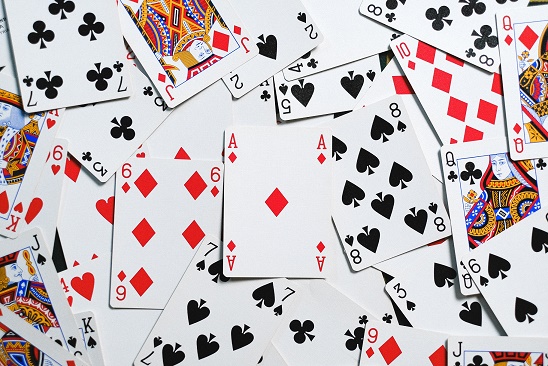
Additionally, the concept of “luck” can lead to superstitions that affect how individuals gamble. Many players employ various rituals or lucky charms, believing these elements can sway fate in their favor. This psychological aspect adds another layer to the gambling experience, intertwining personal beliefs with random outcomes. For instance, a player might insist on betting only on certain numbers during roulette based on past wins, even though the results should theoretically remain unbiased.
Understanding these psychological dynamics can help players develop a healthier relationship with gambling. Recognizing the roles that luck and skill play can help mitigate the potential pitfalls associated with gambling, such as addiction or financial loss. It encourages players to strike a balance, using skill to inform their decisions while acknowledging the unpredictable nature of luck in their overall gambling experience.
Conclusion: Navigating Gambling Worlds
In summary, the confluence of luck and skill within the gambling world provides a rich tapestry of experiences for players. Those who understand how to navigate this duality can enhance their gambling practices, ensuring that they enjoy the thrill while managing the risks involved. Whether engaging in games where skill is paramount or those driven by pure chance, players can find joy and excitement as long as they remain aware of their motivations and boundaries.
For individuals seeking to improve their gambling skills or simply enjoy the entertainment aspect, varying their approach can lead to greater satisfaction. Participating in strategy-based games can sharpen one’s skills, whereas indulging in luck-driven experiences can introduce an element of fun and spontaneity. No matter the type of game, the fusion of luck and skill remains a captivating aspect of gambling, making it a continuous source of fascination for enthusiasts worldwide.
In an ever-evolving landscape of gambling, it’s essential to be informed. Various platforms and resources can provide insights and strategies, allowing players to refine their skills and understand the nature of luck better. By embracing both elements and learning from each encounter, one can foster a balanced approach to gambling that cultivates enjoyment and minimizes risk, ensuring a rewarding experience whether at a casino or online.